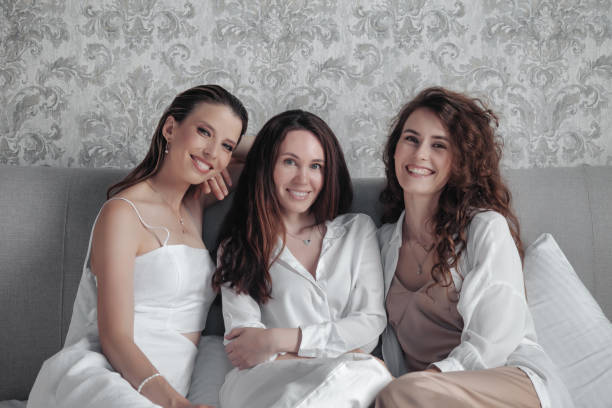
Fashion. On the surface, it seems simple—fabric, cuts, colors—but dig a little deeper, and you realize it’s so much more. Clothes are like living diaries. They speak before we do, whispering tales about who we are, where we come from, and sometimes, even where we want to go. In today’s world, fashion isn’t just about looking good; it’s about expressing identity, values, and personal narratives.
The Personal Touch: Dressing as Self-Expression
Think about that old jacket you never really leave the house without. Maybe it’s frayed at the edges or faded from years of washing. That jacket tells a story, right? Maybe it was your go-to during college, your companion on road trips, or the first gift you ever got from someone special. Every stitch, every tear, holds memory.
Personal style is more than trends; it’s an autobiography you wear. Some people pick bold patterns to show confidence. Others stick to muted tones, hinting at calmness or introspection. And there are those who mix mismatched styles—telling a story of creativity, rebellion, or even chaos. Your outfit doesn’t just exist to clothe your body; it acts as a loudspeaker for your inner world.
Fashion as a Cultural Storyteller
Clothes aren’t only personal—they’re cultural. Traditional garments, for instance, carry centuries of history. Think of a kimono in Japan or a sari in India. These aren’t just pieces of fabric; they’re expressions of heritage. Every fold, color, and pattern reflects stories passed down through generations. Wearing them connects you to something bigger than yourself, a lineage of people who lived before you.
Modern designers are increasingly drawing inspiration from cultural roots, fusing old techniques with contemporary aesthetics. When you wear a handcrafted embroidery piece or a hand-dyed fabric, you’re participating in a centuries-old dialogue between artisans and wearers. Fashion, in this sense, becomes a bridge between past and present, tradition and modernity.
Sustainable Fashion: Clothes With a Story of Change
Then there’s the story of sustainability. Every fast fashion item you buy might have a hidden narrative you don’t see—overworked laborers, environmental degradation, or fleeting trends designed to make you return for more. But the good news? Many brands are rewriting that story.
Sustainable fashion emphasizes slow production, quality materials, and ethical practices. When you buy a recycled denim jacket or a handwoven organic cotton dress, you’re not just making a fashion statement—you’re making a statement about the kind of world you want to live in. These clothes carry a story of care, responsibility, and respect for people and the planet.
The Emotional Language of Clothing
Ever notice how you reach for certain outfits depending on your mood? There’s a reason for that. Clothes communicate emotion. A bright yellow dress might echo joy or playfulness. A crisp, tailored suit can project authority and confidence. Some outfits comfort you, almost like a wearable hug. Others make you feel daring, pushing boundaries you didn’t know you had.
We forget that clothing isn’t just about social perception—it’s about self-perception too. When you wear something that feels “you,” your whole demeanor changes. It’s like the fabric absorbs your confidence and amplifies it. That’s the real magic of clothes—they speak without words, telling stories of how you feel inside.
Vintage and Secondhand: Echoes of the Past
There’s something unique about vintage and secondhand clothing. Unlike brand-new items, these pieces have lived lives of their own. A 1970s leather jacket might carry the spirit of a rebellious youth. A retro dress could have danced through countless parties, each seam stretching with laughter and joy.
Wearing vintage isn’t just about nostalgia; it’s about connecting with stories that predate you. It’s a small form of time travel. You’re literally weaving yourself into the fabric’s past, adding your chapter to its history. That’s something you rarely get with mass-produced, disposable fashion.
Fashion as Activism
Clothes can also be political, telling stories that challenge norms and inspire change. Think of shirts with slogans advocating equality, jackets designed from protest banners, or collections highlighting marginalized voices. Designers and wearers alike use fashion as a medium to spark conversation.
When you choose to wear something that represents a cause, your clothing transcends aesthetics. It becomes a statement, a voice in a silent yet visually powerful dialogue. In this sense, fashion can educate, inspire empathy, and even provoke action. It’s storytelling in motion—on the streets, in offices, in cafes, everywhere you go.
The Future of Fashion Storytelling
Technology is opening new doors in how clothes tell stories. Smart textiles, augmented reality, and digital prints allow wearers to convey dynamic narratives that change with time, mood, or occasion. Imagine a jacket that changes patterns to reflect your emotions or a dress that displays a family tree. It sounds futuristic, but designers are already experimenting.
Even without high-tech fabrics, everyday fashion continues to evolve as storytelling. The rise of personalized fashion—custom embroidery, DIY alterations, and small artisan brands—ensures that everyone can have a unique story woven into their wardrobe. Clothes are no longer passive; they’re active narrators of life experiences, values, and dreams.
Conclusion: Wearing Stories, Not Just Clothes
Next time you pick out an outfit, pause and think. What story does it tell? Is it about who you are today, where you’ve been, or who you want to become? Fashion isn’t shallow—it’s layered with meaning, memory, and emotion. From cultural heritage to sustainable choices, from personal expression to activism, clothes have always been more than fabric.
So wear your stories boldly. Let your clothes do the talking when words fail. Because in the end, fashion isn’t just about looking good—it’s about living, remembering, and narrating the tales that make you, well, you.